
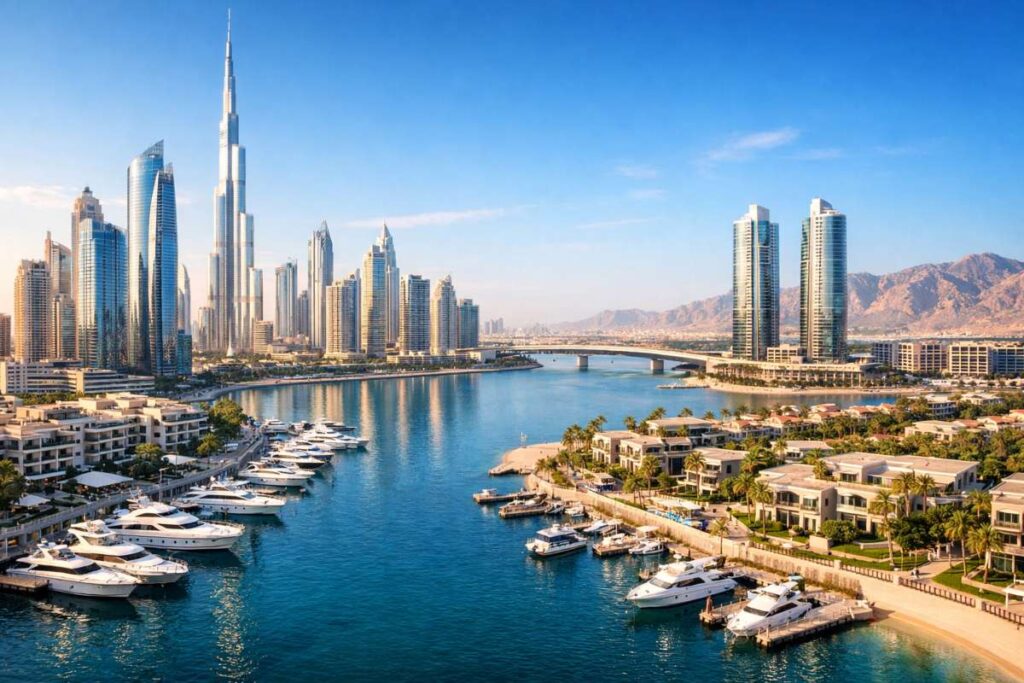
The UAE continues to strengthen its position as one of the world’s most attractive destinations for property investment. In 2026, the real estate market is experiencing strong growth supported by expanding tourism, investor-friendly policies, and continuous infrastructure development. Cities such as Dubai and Ras Al Khaimah are attracting international buyers who are seeking long-term capital appreciation, stable rental income, and modern lifestyle communities.
As the country focuses on economic diversification and global business expansion, the property sector remains a key driver of growth. Investors exploring opportunities in 2026 are finding a market that combines stability, innovation, and strong demand for residential and tourism-driven developments.
Economic Growth and Market Stability in 2026
One of the primary reasons investors continue to choose the UAE real estate in 2026 is the country’s economic stability. Over the past decade, the government has successfully diversified the economy beyond oil by investing in tourism, logistics, technology, aviation, and international trade.
These sectors continue to expand in 2026, creating employment opportunities and attracting skilled professionals from around the world. As the population grows, so does the demand for residential property, particularly in well-planned communities and waterfront developments.
For property investors, a stable and diversified economy provides confidence that real estate demand will remain strong in the coming years.
Investor-Friendly Government Policies
Government initiatives continue to play an important role in strengthening the property market. The UAE has implemented several policies that encourage international investment while ensuring transparency and security for buyers.
Foreign investors can purchase property in designated freehold areas across multiple emirates. This allows international buyers to own apartments, villas, and commercial spaces with full ownership rights.
In 2026, long-term residency programs linked to property investment remain an important incentive. These programs provide investors with extended residency options, allowing them to live and work in the country while managing their assets.
Such policies help maintain investor confidence and support the long-term growth of the real estate sector.
High Rental Yields Compared to Global Markets
Rental income remains one of the most attractive aspects of the UAE property market. Compared with many established international cities, rental yields in the UAE remain competitive.
In 2026, demand for rental properties is supported by a growing expatriate population, international professionals, and tourism-related housing demand. Investors purchasing residential units in key locations often benefit from steady rental income.
Several factors contribute to these strong yields:
- Increasing international workforce
- Tourism-driven demand for short-term rentals
- Limited taxation on rental income
- High demand for modern residential communities
These conditions create a favourable environment for investors seeking consistent property income.
Tourism Growth Supporting Property Demand
Tourism continues to play a vital role in the UAE’s real estate expansion. The country attracts millions of visitors each year through international events, luxury resorts, and entertainment destinations.
In 2026, tourism development remains a major priority for several emirates. Coastal destinations, resort communities, and waterfront developments have become popular choices for both visitors and investors.
The growth of tourism also increases demand for holiday apartments, serviced residences, and short-term rental properties. Many investors purchase units in resort-style communities specifically to benefit from tourism-driven rental demand.
Infrastructure Development and Smart Cities
Another key factor driving real estate investment in the UAE is infrastructure development. The country continues to invest in transportation networks, digital connectivity, and smart city initiatives.
Modern residential communities are designed with integrated amenities, including parks, schools, healthcare centres, retail areas, and recreational facilities. These well-planned environments improve residents’ quality of life and increase the long-term value of surrounding properties.
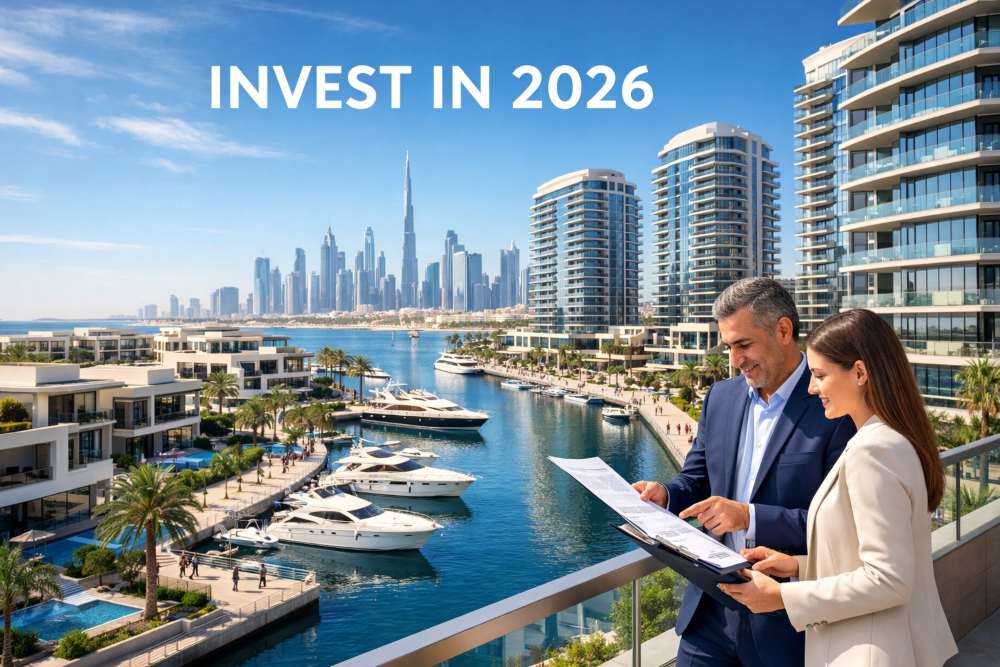
In 2026, infrastructure expansion continues to support new developments across several emirates, creating opportunities for early investors in emerging communities.
Strategic Location Connecting Global Markets
The UAE’s location between Europe, Asia, and Africa has made it one of the most important international business hubs. Major airports and seaports connect the country to global markets, allowing companies and professionals to operate efficiently across multiple regions.
This strategic position attracts multinational corporations and entrepreneurs who choose the UAE as their base of operations. As international businesses expand, demand for residential and commercial property continues to grow.
For investors, this global connectivity ensures a steady influx of tenants and property buyers.
Emerging Property Destinations in 2026
Although Dubai remains the most internationally recognised real estate market in the UAE, other emirates are increasingly attracting investor interest.
In 2026, Ras Al Khaimah emerged as one of the fastest-growing real estate destinations. The emirate has experienced strong development in tourism, waterfront communities, and hospitality projects.
These emerging markets often offer more competitive property prices than established areas, making them appealing to investors seeking growth potential.
As infrastructure and tourism continue to expand in these regions, property values may benefit from long-term appreciation.
Off-Plan Property Opportunities
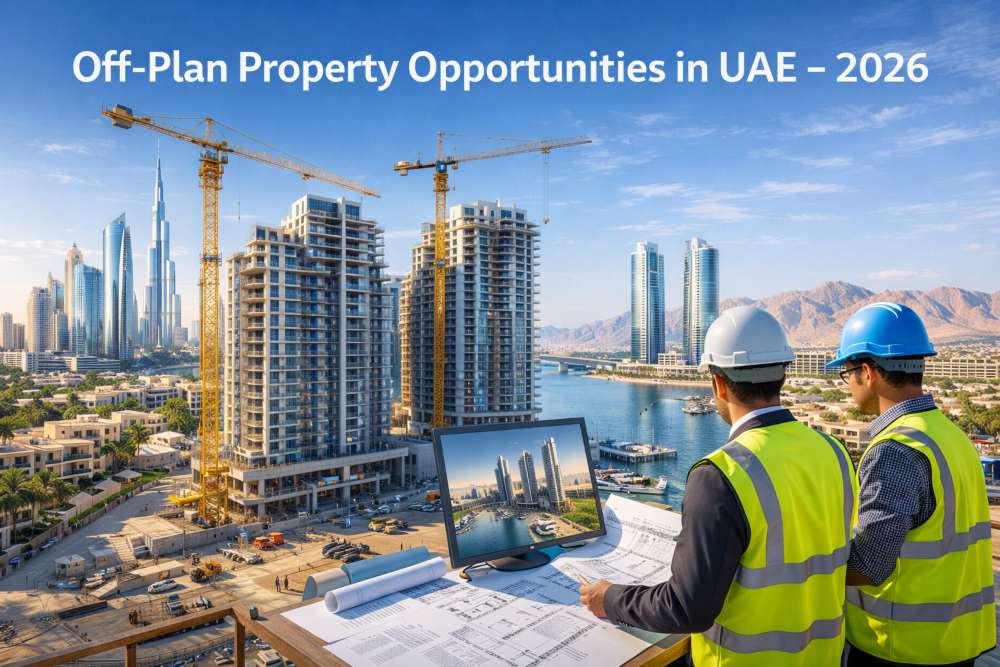
Off-plan developments remain a popular option for investors entering the UAE property market. Purchasing property during the construction phase often allows buyers to secure lower prices and flexible payment plans.
Developers frequently offer installment plans that make property ownership more affordable. Investors can spread payments across the construction period, reducing the financial burden of large upfront investments.
However, investors should carefully evaluate project details before purchasing off-plan properties. Factors such as developer reputation, location, and expected completion timelines should always be considered.
Advantages and Disadvantages of UAE Property Investment
| Advantages | Disadvantages |
|---|---|
| Competitive rental yields in 2026. | Some prime locations have higher entry prices. |
| Investor-friendly policies and freehold ownership. | Market knowledge is required to select the right property. |
| The growing tourism industry supports rental demand. | Service charges vary between developments. |
| Strong infrastructure and modern communities. | Off-plan projects require careful developer research. |
| Long-term economic growth. | Market cycles may affect short-term prices. |
For most investors, the advantages of the UAE property market outweigh the potential challenges,
especially when investments are made with careful planning.
Long-Term Capital Appreciation
Looking ahead beyond 2026, the UAE real estate market is expected to continue evolving as the country strengthens its global economic position.
Population growth, international business expansion, and tourism development all contribute to increasing property demand. As infrastructure projects and new communities are developed, property values in key locations are likely to appreciate gradually.
Investors who focus on strategic locations and well-established developers can benefit from long-term growth potential while also generating rental income.
Conclusion
The UAE property sector remains compelling for investors in 2026. A combination of economic stability, investor-friendly policies, strong rental yields, and growing tourism has created a dynamic and resilient real estate market.
For individuals seeking both lifestyle benefits and financial returns, property investment in the UAE offers a balanced opportunity. By understanding market trends and choosing the right locations, investors can position themselves to benefit from one of the fastest-growing property markets in the region.
Frequently Asked Questions (FAQs)
Is the UAE real estate market a good investment?
The UAE offers strong rental yields, investor-friendly regulations, and growing demand for residential property, making it an attractive market for many investors.
Can foreign investors buy property in the UAE?
Yes. Foreign buyers can purchase property in designated freehold areas across several emirates.
Which emirate offers good investment opportunities?
Dubai and Ras Al Khaimah are among the most popular locations due to strong infrastructure, tourism growth, and expanding residential communities.
What should investors consider before buying property?
Important factors include location, developer reputation, market demand, infrastructure development, and long-term investment goals.